It’s 2:00 AM on a Sunday. The house is quiet, the cat is asleep, and you’re just drifting off. Then you hear it. Drip. Drip. Whoosh.
There is nothing quite like the sheer panic of stepping into a puddle in your own hallway to wake you up faster than a double espresso. Panic, however, is not a plumbing tool. While your first instinct might be to grab every towel you own and scream into the void, we have a better plan.
At ALK Emergency Plumbers, we’ve seen it all—from kitchen floods that resemble swimming pools to mysterious drips that drive homeowners mad. We know that waiting for a professional can feel like an eternity when water is escaping, even if our rapid response team aims to be there within the hour.
Knowing how to stop a leak temporarily (or at least slow it down) is a homeowner superpower. It buys you precious time, saves your floorboards, and stops your water meter from spinning like a DJ’s turntable. Here is your emergency guide to holding the fort until the cavalry arrives.
Immediate steps to take when you discover a leaking water pipe
Before you start hunting for tools or Googling “how to stop a leak” with trembling hands, you need to stop the flow.
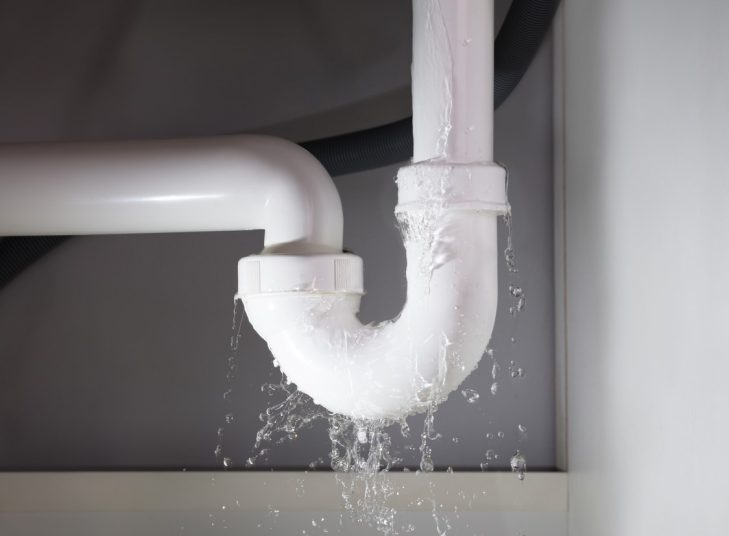
1. Locate the main stopcock
This is the most important valve in your house. It is usually located under the kitchen sink, but in older properties, it might be in an airing cupboard, under the stairs, or even in a larder. Turn it clockwise (righty-tighty) to shut off the water supply to the entire house. If it’s stiff, use a pair of pliers, but be gentle—you don’t want to snap it.
2. Drain the system
Once the main supply is off, open the cold taps on the lowest floor (usually the kitchen) and the hot taps on the highest floor (bathroom). This drains the remaining water out of the pipes so it doesn’t end up on your carpet.
3. Call in the cavalry
Now that the immediate chaos is paused, call ALK Emergency Plumbers. While the temporary fixes below are great, they are just that—temporary. You need a gas-safe registered, experienced engineer to ensure the fix is permanent and safe.
Temporary fixes for different types of leaks
Not all leaks are created equal. A bursting pipe requires a different approach than a dripping tap. Here is how to tackle the most common culprits.
Leaking pipe fix
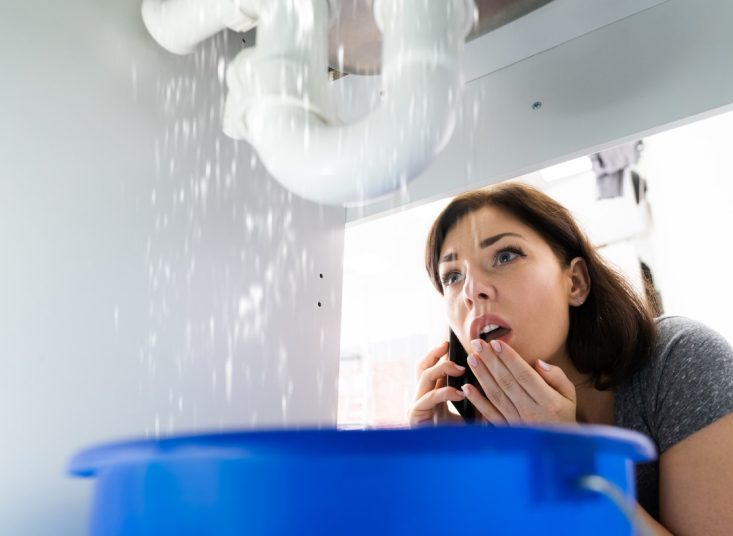
If you are staring at a hole or crack in a copper or plastic pipe, simply putting a bucket under it might not be enough.
Epoxy putty
Think of this as adult playdough that saves the day. It is a two-part compound that you mash together until it’s a uniform colour.
- Dry the pipe thoroughly (putty hates water).
- Mould the putty over the crack or hole.
- Let it harden. It usually sets rock-hard within minutes.
It’s a fantastic leaking pipe fix that can hold surprisingly high pressure for a short time.
Pipe repair clamps
If you have a well-stocked DIY kit, you might have a pipe clamp. This is a metal sleeve with a rubber inner lining. You simply bolt it over the leak. It creates a watertight seal and is arguably the most reliable temporary fix.
The rubber and hose clamp method
No fancy clamps? No problem. If you have a piece of thick rubber (an old inner tube or a section of garden hose works) and a couple of Jubilee clips (hose clamps):
- Cut the rubber to cover the hole with plenty of overlap.
- Place it over the leak.
- Tighten a hose clamp on either side of the leak over the rubber.
This compresses the rubber against the hole, stopping the spray.
Self-fusing silicone tape
This isn’t your average sticky tape. It doesn’t stick to the pipe; it fuses to itself. Wrap it tightly around the leak, stretching it as you go. The tension creates a waterproof seal.
Leaking tap
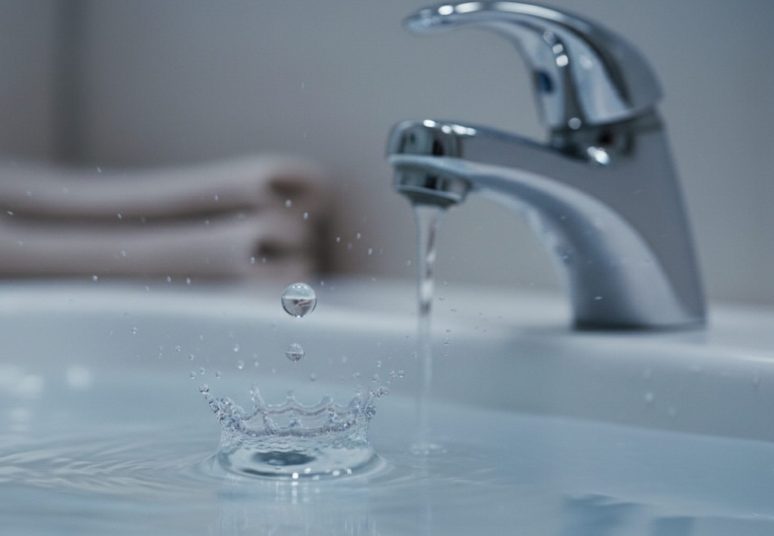
A dripping tap is less of a flood risk and more of a form of psychological torture. However, it still wastes water.
Tighten connections
Check under the sink. Sometimes the leak is coming from the nut connecting the supply line to the tap tail. Give it a gentle nip with a spanner. Be careful not to overtighten plastic nuts.
Plumber’s tape (PTFE)
If the leak is coming from a threaded joint, you might need PTFE tape.
- Turn off the isolation valve (usually a small screw-head valve on the pipe feeding the tap).
- Unscrew the joint.
- Wrap the white tape clockwise around the threads.
- Reconnect.
The tape acts as a filler, stopping water from squeezing through the gaps in the threads.
Leaking toilet
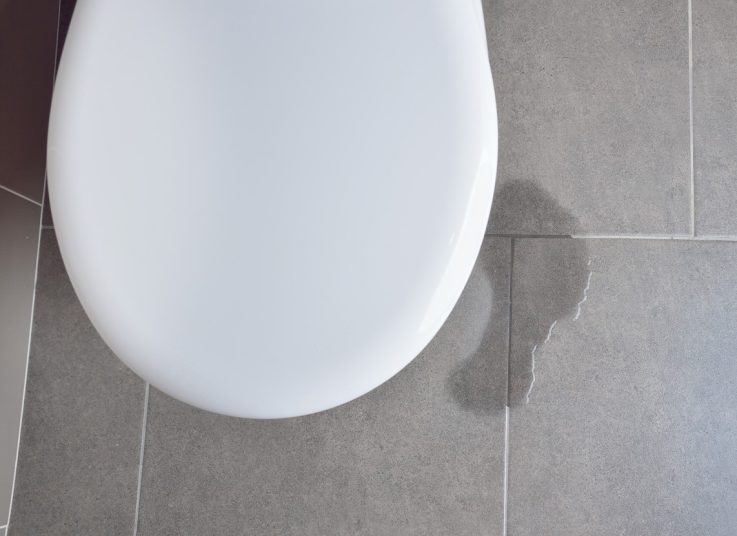
If your toilet is leaking from the tank, it’s usually because it is overfilling or the seals have gone.
Adjust the float
Take the lid off the cistern. If the water is constantly running into the overflow pipe, the float is set too high.
- Ball-and-arm floats: Gently bend the metal arm downwards.
- Vertical plastic floats: Turn the plastic screw on the top to lower the float level.
This tells the water valve to shut off sooner.
Tighten tank bolts
If water is dripping from the bottom of the tank onto the floor, the bolts connecting the tank to the bowl might be loose. Give them a gentle tighten with a screwdriver and wrench.
Essential tools and materials for temporary leak fixes
You don’t need a van full of gear, but a small emergency kit can save you thousands in water damage. If you don’t have these, a quick dash to a local hardware store is your best bet—or borrow from a handy neighbour.
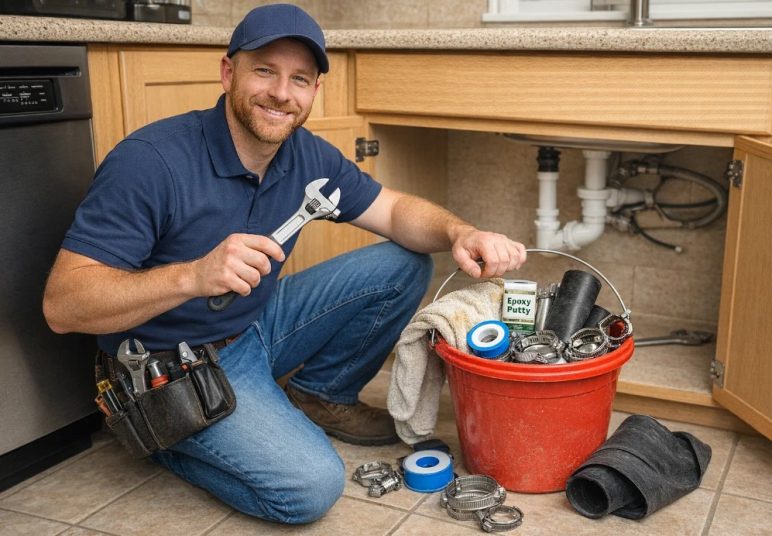
- Adjustable spanner: The king of plumbing tools.
- Bucket and towels: The first line of defence.
- Epoxy putty: Keep a stick in your junk drawer.
- PTFE tape: Costs pennies, saves gallons.
- Jubilee clips (Hose clamps): Various sizes.
- Rubber sheeting: Or an old bicycle inner tube.
- Self-fusing silicone tape: Better than duct tape for pipes.
Common mistakes to avoid when fixing a leak
Panic makes us do silly things. When you are rushing to apply a stop a leak temporary fix, try to avoid these classic blunders.
Using duct tape
Despite what you saw in the movies, standard duct tape is terrible for wet, pressurised pipes. The water will find a way through the adhesive in seconds. Save it for fixing tent poles, not plumbing.
Applying excessive force
“If I just tighten it a little bit more…” is the famous last thought before a bolt snaps or a ceramic washer cracks. Tighten until snug, then give it a quarter turn. No more.
Ignoring the problem
Putting a bowl under a slow drip and ignoring it for three weeks is a recipe for disaster. Mould loves damp environments, and wood rots quietly. A small leak often turns into a burst pipe when you least expect it.
When to call a professional plumber
We love a bit of DIY spirit, but there are times when you need to step back and let the professionals handle it.

Electricity is involved
If water is dripping through a light fitting, running down a wall near a socket, or pooling near appliances, do not touch anything. Turn off the electricity at the consumer unit (fuse box) immediately and call us.
Sewage issues
If the leak smells bad or is coming from a waste pipe, this is a health hazard. You need protective gear and professional equipment to deal with foul water safely.
The temporary fix isn’t holding
If you’ve tried the putty, the tape, and the clamps, and water is still spraying out, the pressure is likely too high or the pipe is too degraded. Call ALK Emergency Plumbers before the ceiling comes down.
Frequently asked questions (FAQ)
Can I use superglue to stop a water leak?
Generally, no. Superglue struggles to bond to wet surfaces and is brittle when cured. It rarely withstands the pressure of a water pipe. Epoxy putty is a much better alternative.
How long does a temporary fix last?
The clue is in the name—temporary. A pipe clamp might last a few months, but rubber and tape will degrade. You should treat these fixes as a solution for a few days at most while you arrange for ALK to come and perform a permanent repair.
Is a dripping tap an emergency?
It depends on the severity. A fast drip can waste litres of water a day and keep you awake at night, but it might not flood your house. However, if the tap has sheared off or won’t turn off at all, that is definitely an emergency.
Conclusion
Finding a leak is stressful, but it doesn’t have to be a disaster. By keeping a cool head, isolating the water supply, and using these emergency plumbing tips, you can minimise the damage and keep your home dry.
Remember, a patch is not a permanent cure. Once you have the situation under control, get in touch with the experts to fix the root cause. Whether it is a burst pipe, a stubborn blockage, or a mystery leak, we are ready to help.
Why choose ALK Emergency Plumbers
When you are ankle-deep in water, you don’t want an answering machine. You want a rapid response.
- Fast response: We aim for a 1-hour response time across Essex. We take speed seriously because we know water damage waits for no one.
- No call-out charges: You only pay for the work done. We don’t believe in charging you just for turning up to help.
- Experienced team: Our plumbers are fully qualified, gas-safe registered, and have seen every type of leak imaginable.
- Local experts: We cover Southend, Chelmsford, Brentwood, and beyond. We know the local area and the common plumbing quirks of Essex homes.
Don’t let a leak ruin your day. Contact ALK Emergency Plumbers today for rapid, reliable service and expert drainage solutions from our team.