Picture the scene: you’re fast asleep, dreaming of sandy beaches and sunshine, when a strange sound jolts you awake. It’s not the cat demanding an early breakfast. It’s the unmistakable sound of a water feature that you definitely didn’t install. Welcome to the exclusive club nobody wants to join—the Burst Pipe Homeowners’ Association. Here at ALK Emergency Plumbers, we’ve seen it all, from minor drips that cause major panic to full-blown indoor water parks.
A burst pipe is more than just a nuisance; it’s a fast track to water damage, costly repairs, and a whole lot of stress. But don’t despair. Understanding what causes pipes to burst and knowing the warning signs can save you a world of trouble. This guide will walk you through everything you need to know to protect your home and act swiftly when disaster strikes.
What causes burst pipes?
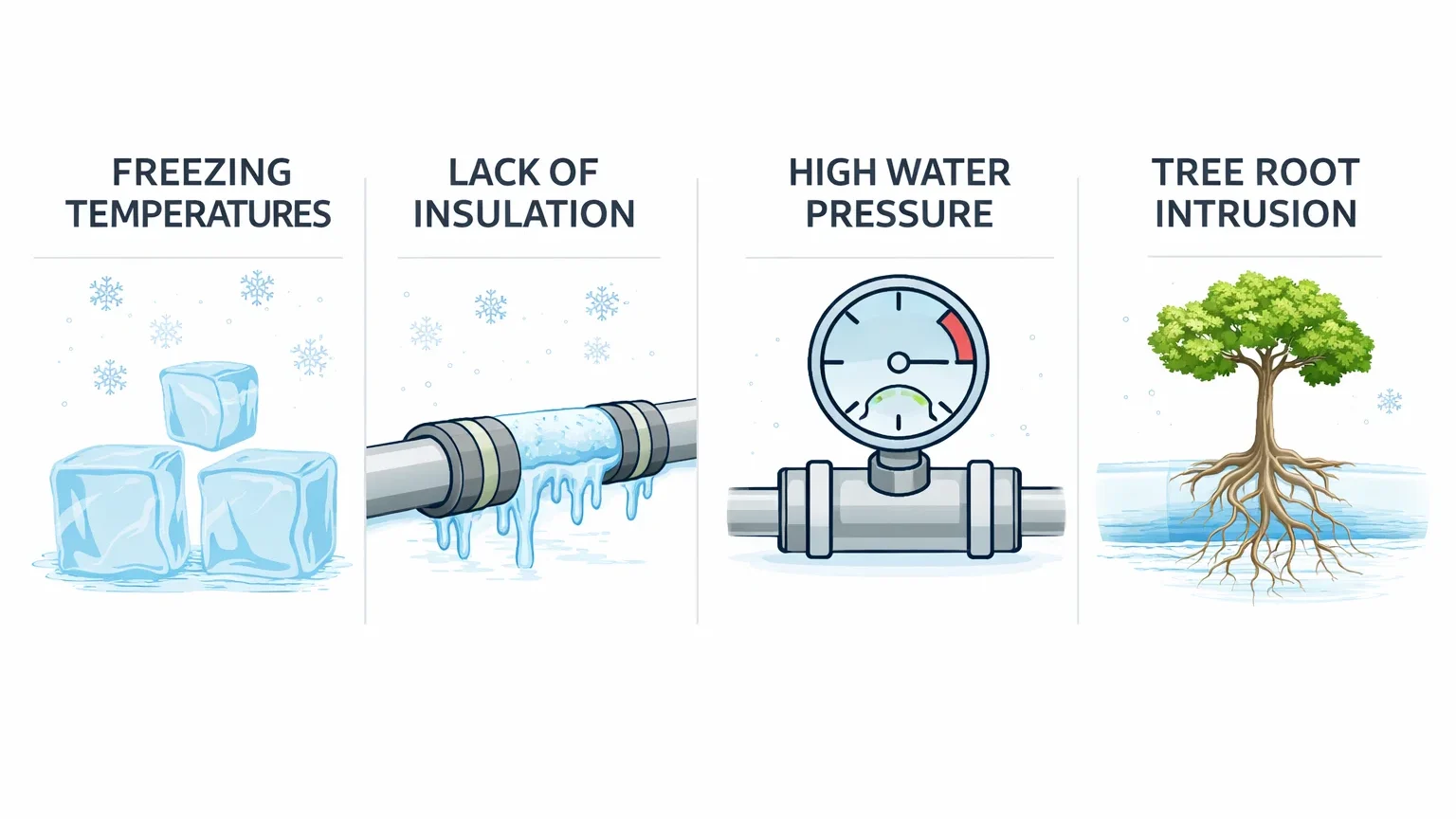
While a pipe bursting feels like a sudden catastrophe, the causes often build up over time. Understanding them is the first step in prevention.
Freezing temperatures
The most notorious culprit behind a burst pipe is cold weather. When water freezes, it expands by about 9%. This expansion puts immense pressure on the pipe, whether it’s made of metal or plastic. If the pressure becomes too great, the pipe gives way. This is why frozen pipes are a plumber’s bread and butter during winter. The pipe often bursts at its weakest point, which could be a joint or a section that has previously been damaged.
Old or damaged pipes
Pipes don’t last forever. Over time, corrosion can weaken the structure of metal pipes, making them more susceptible to leaks and bursts. This is particularly common in older homes where plumbing systems haven’t been updated. Even a small amount of rust can compromise a pipe’s integrity, creating a weak spot that’s just waiting for a pressure spike to fail.
Lack of insulation
Pipes located in unheated areas of your home, such as lofts, basements, crawl spaces, or along exterior walls, are prime candidates for freezing. Without proper insulation to protect them from the cold, the water inside can quickly turn to ice, leading to a burst pipe.
High water pressure
Your home’s water pressure should be at a safe level, typically between 40-60 PSI. If the pressure is too high, it puts constant strain on your entire plumbing system. This excessive force can weaken pipe joints and fittings over time, eventually causing a rupture. It’s like overinflating a balloon—eventually, something has to give.
Tree root intrusion
For underground pipes, tree roots are a formidable foe. Roots are naturally drawn to the moisture and nutrients inside your pipes. They can infiltrate through tiny cracks, and as they grow, they expand and exert incredible pressure. This can block, crack, or completely shatter a pipe, leading to significant underground leaks that are often difficult to detect.
Recognising the warning signs
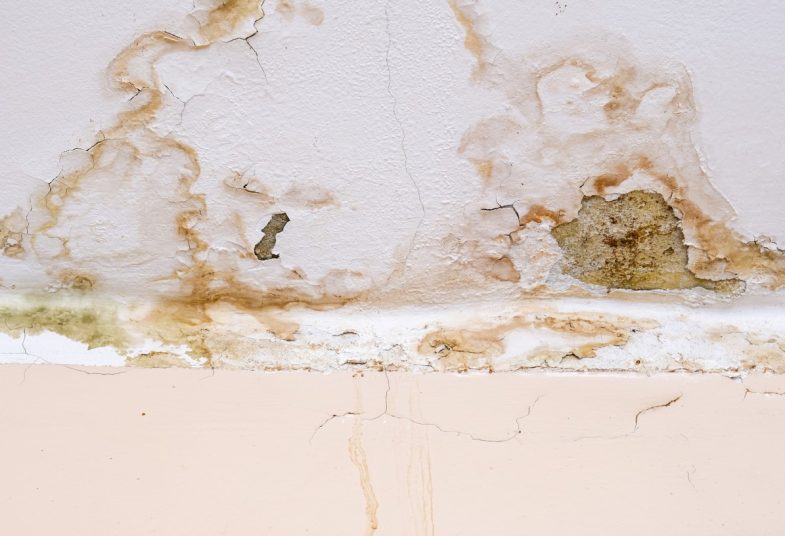
A burst pipe doesn’t always announce itself with a dramatic gush of water. Often, there are subtle clues that your plumbing is in distress. Spotting these signs of a leaking or frozen pipe early can help you prevent a full-blown emergency.
- Reduced water pressure: If your taps are suddenly producing more of a trickle than a torrent, it could mean water is escaping from a leak somewhere in the system.
- The sound of running water: Hearing water when all taps are off is a classic sign of a leak. It might sound like hissing, dripping, or flowing.
- Damp patches on walls or ceilings: Unexplained wet spots or discolouration on your walls, floors, or ceilings are red flags. This indicates water is leaking from a concealed pipe.
- Visible pipe swelling or bulging: A pipe that looks swollen or has a bulge is a clear indicator that water inside has frozen and expanded. This pipe is under extreme stress and could burst at any moment.
- Frost on pipes: If you can see frost or condensation on an exposed pipe, it means the surface temperature is at or below freezing. Act fast, as the water inside is likely frozen or close to it.
If you spot any of these signs, it’s time to investigate further or call in a professional before the problem escalates.
Immediate steps if a pipe bursts
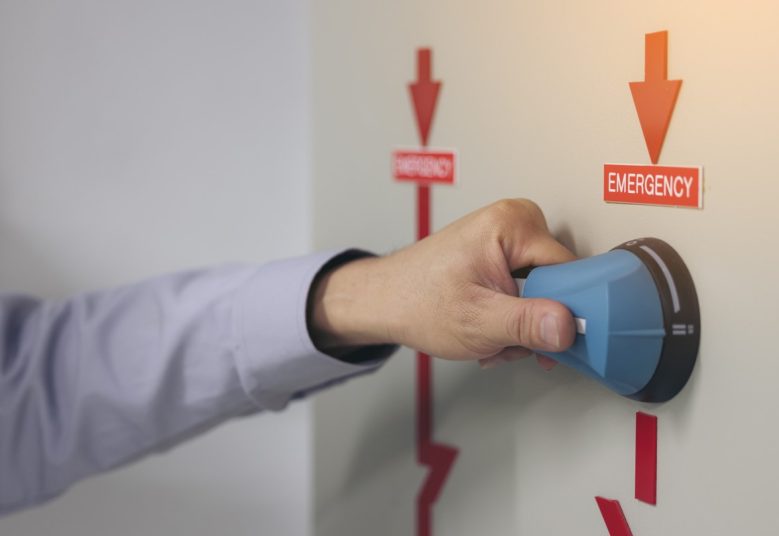
So, the worst has happened. You have a burst pipe. Panic is a natural reaction, but quick, calm action can drastically limit the damage.
- Turn off the main water supply: This is the most critical step. Your main stopcock (also known as internal stop tap or stop valve) controls the water supply to your entire property. Shutting it off will stop the flow of water and prevent further flooding.
- Open your taps: To relieve pressure in the system, open all the cold taps in your house. This will help drain the remaining water from the pipes. Don’t forget to flush your toilets as well.
- Turn off the electricity: Water and electricity are a dangerous mix. If water is near any electrical outlets or appliances, turn off the electricity at your fuse box as a precaution.
- Move your valuables: If it’s safe to do so, move furniture, electronics, and other valuables away from the affected area to protect them from water damage.
Contact ALK Emergency Plumbers: With the immediate situation under control, your next call should be to us. Our rapid response team is available 24/7 and aims to be with you within the hour to tackle the problem head-on.
Preventing burst pipes
Prevention is always better than a cure, especially when the cure involves mops, buckets, and a hefty repair bill.
- Insulate your pipes: Wrap pipes in unheated areas with foam insulation sleeves. It’s a cheap and effective way to protect them from the cold.
- Seal drafts: Seal any cracks or gaps around pipes that run through external walls. This stops cold air from reaching them.
- Let taps drip: During a severe cold snap, letting a tap drip slightly keeps water moving through the pipes, making it harder for it to freeze.
- Maintain your heating: Keep your heating on a low setting, even when you’re out or away. This ensures the ambient temperature in your home stays above freezing.
Know your stopcock: Make sure you know where your main stopcock is and that it works. You don’t want to be hunting for it in an emergency.
How to thaw frozen pipes
Turn off the water supply to prevent water damage
Before attempting to thaw a frozen pipe, ensure the water supply to the affected pipe is turned off at the stopcock. This prevents potential flooding if the pipe bursts while thawing.
Open the all the taps
Open nearby taps to allow water to flow as the ice melts. This will relieve pressure in the system and help water move through the pipe.
Apply gentle heat
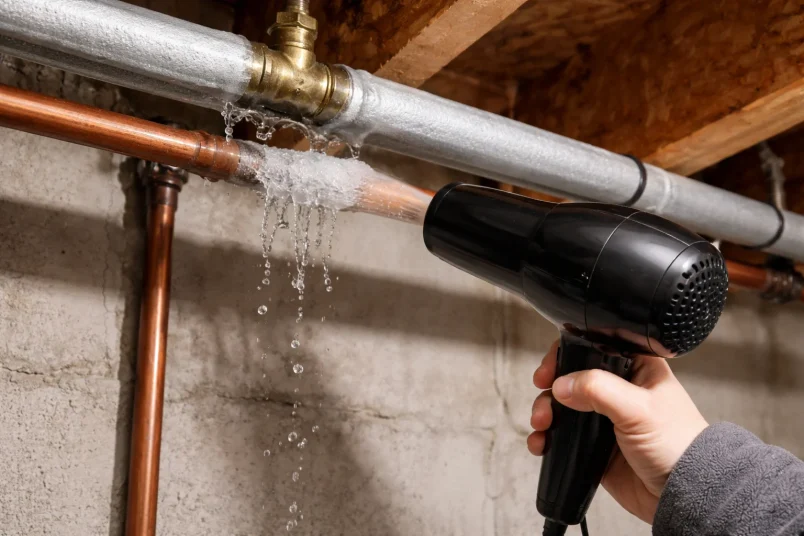
Use a hairdryer, heating pad, or towels soaked in warm water to gently warm the frozen section of the pipe. Start from the end nearest the tap and move backward to avoid causing pressure buildup. Avoid using open flames or high-heat devices as they can damage pipes.
Check for leaks
Once the pipe is thawed and water is flowing again, inspect it for any signs of cracks or leaks. If any are found, turn off the water supply and consult a plumber immediately.
Why call a professional?
The temptation to DIY a plumbing fix can be strong, but a burst pipe is not a job for an amateur. A temporary patch might seem to work, but it’s unlikely to hold for long and could fail at the worst possible moment.
At ALK Emergency Plumbers, we have the expertise, specialist equipment, and experience to diagnose and repair the problem correctly and safely. We can assess the extent of the damage, replace the faulty section of pipe, and check the rest of your system for potential weaknesses. Our 24/7 availability and 1-hour response time mean we’re always ready to help you out of a tight spot.
Frequently asked questions
How much does it cost to repair a burst pipe?
The cost can vary significantly depending on the pipe’s location, the extent of the damage, and the required repairs. At ALK Emergency Plumbers, we provide a free, no-obligation quote before starting any work.
Can I claim for burst pipe damage through my home insurance company?
Most home insurance policies cover burst pipe claims and damage caused by “escaping water,” but it’s essential to check your specific policy. They usually cover the cost of repairing the damage to your property, but not always the cost of repairing the pipe itself.
How do I find my main stopcock?
The stopcock is most commonly found under the kitchen sink, but it could also be in a utility room, garage, or cellar. It looks like a tap or a small lever. Turn it clockwise to shut off the water.
What are the signs of a frozen pipe?
The main sign is a lack of water coming from a tap. You might also see frost on the pipe or a slight bulge. If you suspect a pipe is frozen, turn off the water supply and call a professional immediately.
How do I stop my pipes freezing?
To prevent your pipes from freezing, start by insulating them with foam pipe insulation, especially in unheated areas like attics, basements, or garages. Keep your home warm, even when you’re away, by setting your thermostat to a consistent temperature. Allow warm air to circulate around pipes by opening cabinet doors under sinks, particularly during freezing weather.
If the temperature is expected to drop significantly, you can also leave a single tap dripping slightly—this helps relieve pressure and prevents freezing. Lastly, seal any drafts coming in from windows, doors, or cracks near pipes to keep cold air out.
Don’t let a drip become a deluge
A burst pipe is one of those home emergencies that can turn your world upside down. By understanding the causes, spotting the warning signs, and knowing how to act, you can protect your home and your peace of mind. And remember, when plumbing problems strike, you’re not alone. The team at ALK Emergency Plumbers is always on standby, ready to turn your plumbing nightmare back into a dry and happy home. After all, the only water feature you should be worrying about is the kettle.
Need help with a burst pipe?
Contact ALK Emergency Plumbers for our 24/7 rapid response service and get a free quote today!