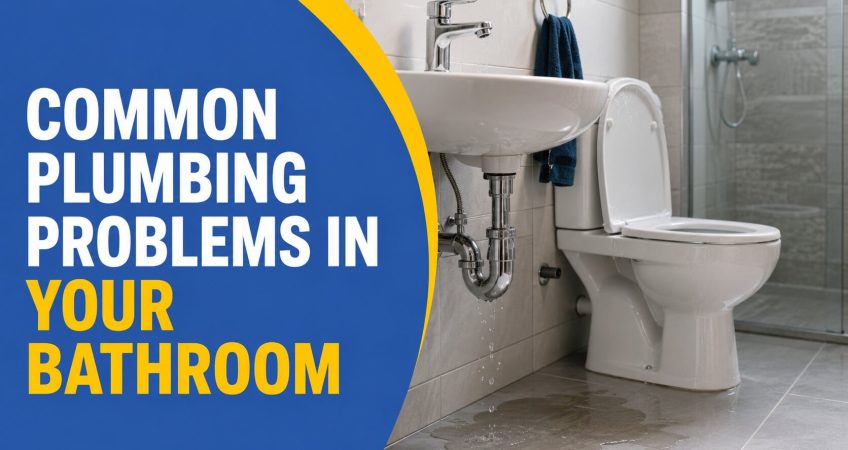
Quick answer: The most common signs your bathroom plumbing is failing include slow drains, gurgling sounds, a toilet that keeps running, low shower pressure, damp patches, musty smells, ceiling stains below the bathroom, and an unexplained rise in your water bill. Catching these early can save you hundreds—sometimes thousands—in repair costs.
Bathrooms have an uncanny ability to spring a problem at the worst possible moment. It’s always a Sunday evening, always when you’ve got guests coming, and always the one thing you’d been meaning to “keep an eye on.” Sound familiar?
The good news is that most serious bathroom plumbing failures don’t appear out of nowhere. They give you warning signs—sometimes weeks or months in advance—before they turn into a full-blown emergency. The trick is knowing what to look for before a slow drain becomes a flooded floor.
At ALK Emergency Plumbers, we’re out across Essex 24 hours a day, seven days a week, dealing with everything from blocked drains to burst pipes. We see the same problems come up time and again, and almost always, there were early signs that got overlooked. This guide covers those signs in detail: what they mean, how serious they are, and what to do next.
If something looks urgent right now, you can call us free—we aim to be with you within an hour.
The quick “is this urgent?” checklist
Before we get into the detail, run through this list. If any of these apply to you, don’t wait:
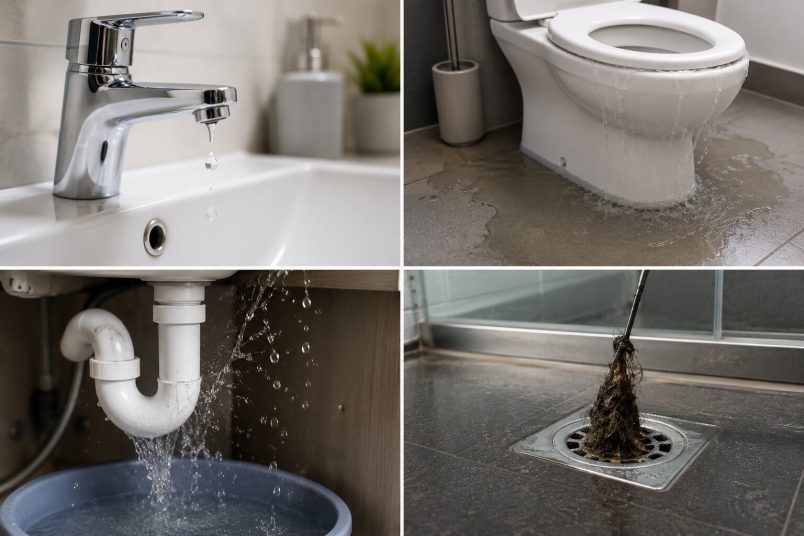
- Water is coming through a ceiling or near a light fitting — this is a safety risk as well as a plumbing one
- You can’t stop the water flow and the isolation valve isn’t responding
- Sewage is backing up into your bathroom sink, shower drain , or clogged toilet
- Pressure has dropped suddenly and you can hear banging or hammering in the pipes
- There’s an active leak you can’t contain — every minute of delay adds to the damage
If you’ve ticked any of the above, give us a ring. We’re available 24/7, our call-outs are free, and we aim to reach you within the hour.
For everything else — the slower, sneakier signs — read on.
Common plumbing problems you shouldn’t ignore in the bathroom
The frustrating thing about bathroom plumbing issues is that they rarely announce themselves loudly. More often, they creep in quietly, hiding behind tiles or under floors, until the damage is significant enough to be impossible to miss. Here’s what to watch out for.
Slow draining sink that keeps coming back
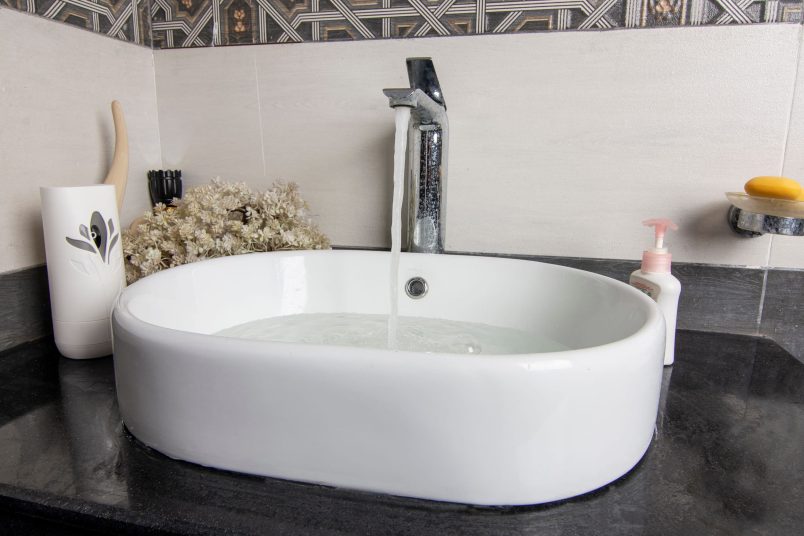
A bath that takes an age to empty, or a shower where water pools around your feet — these are classic signs of plumbing problems. In many cases, the culprit is a build-up of hair, soap scum, and general grime just below the plughole. A quick clean of the drain trap often sorts it.
But if the slow drain keeps returning, or you’re noticing it across multiple fixtures at once, that’s a different story. It could indicate a partial blockage deeper in the pipework, a collapsed section of pipe, or an issue with the pipe gradient. Those aren’t DIY fixes.
What to try: Remove and clean the hair trap, try a gentle plunger. Avoid pouring chemical drain cleaners repeatedly — they can damage older pipework.
When to call us: If the problem comes back within a week, or if more than one fixture is draining slowly at the same time.
Gurgling sounds from the plughole or toilet
That odd gurgling noise — the one that sounds a bit like the house is trying to digest something — is worth paying attention to. It usually means air is being trapped somewhere in the drainage system, often because a blockage is forming or because there’s a venting issue in the pipework.
Left alone, gurgling can escalate into backflow, where waste water from one fixture pushes back up through another. That’s every bit as unpleasant as it sounds.
When to call us: If the gurgling is persistent, or if it’s coming from the toilet when you run the sink (or vice versa), get it checked sooner rather than later.
Toilet running or refilling on its own
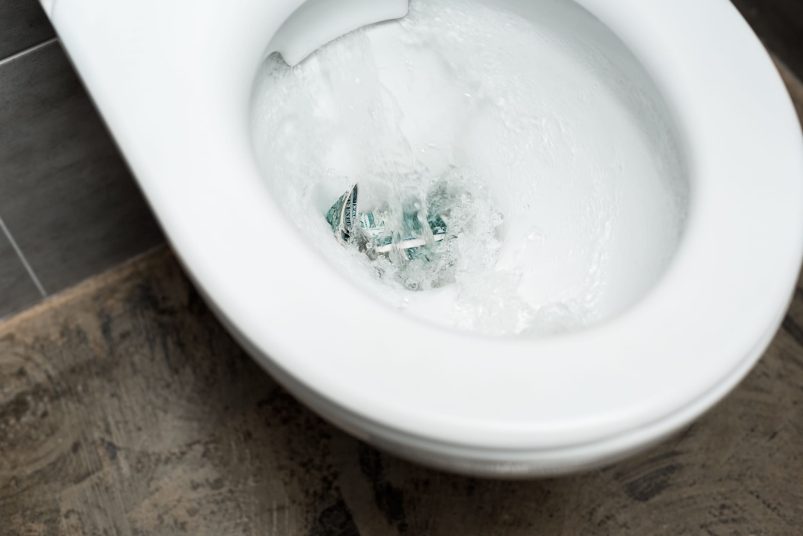
You flush, and then… it just keeps going. Or you hear it quietly refilling at odd intervals when nobody’s used it. A toilet that constantly runs is usually down to a faulty flapper valve, a worn fill valve, or a misaligned float — all fairly standard repairs.
What makes it worth mentioning here is the knock-on effect. A running toilet can waste over 200 litres of water per day, which hits your water bill hard. It can also mask a more serious leak around the base or pan seal if it’s been going on a while.
Quick fix: Lift the cistern lid and check the float level and flapper seal. Sometimes the fix is as simple as adjusting the float arm.
When to call us: If fiddling with the cistern doesn’t stop it, or if you notice water around the base of the toilet as well.
Low water pressure in the shower (or sudden changes)
A weak dribble where there used to be a decent shower is one of the more demoralising signs of plumbing problems — but it’s also one of the more informative. The cause depends on where the pressure drop is happening.
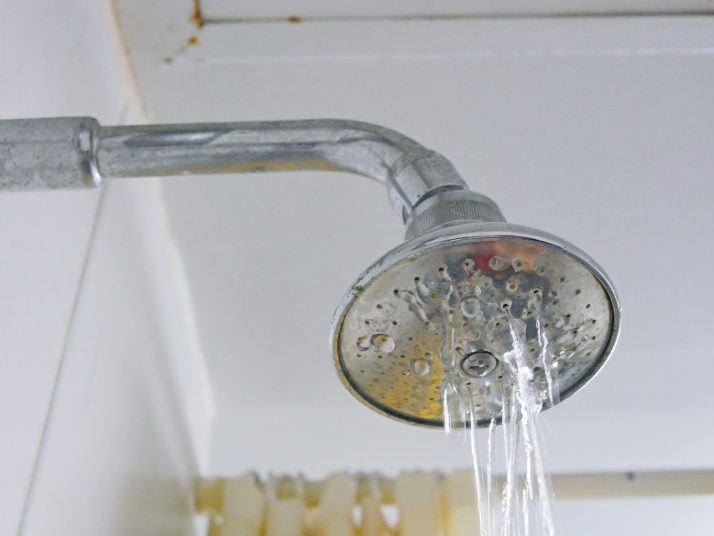
If it’s just the shower, limescale build-up on the showerhead or a partially closed valve is a likely culprit. Essex has notably hard water, so limescale blocking shower heads and valves is a very common issue we come across. A good soak in descaler often helps.
If the pressure drop affects multiple fixtures, or it happened suddenly, that’s more concerning — it could point to a leak somewhere in the system, a failing pressure regulator, or even a mains issue.
What to try: Descale the showerhead. Check that the isolation valve is fully open.
When to call us: If the drop is sudden, widespread, or accompanied by any of the other signs in this list.
Musty smells, mould that won’t go away, or damp patches
This is one of the most telling — and most underestimated — leaking bathroom symptoms. A bathroom naturally gets steamy, so a bit of condensation is normal. But if you’re noticing a persistent musty smell even after cleaning, black mould that keeps coming back in the same spot, or damp patches on walls and floors, there’s likely a hidden leak involved.
Water is clever. It doesn’t always show up where the problem actually is — it travels along joists, down behind tiles, and under bath panels before surfacing somewhere unexpected. By the time you see a damp patch, the water may have been there for weeks.
What to check: Run your hand along the bath or shower sealant line, check under the sink, and look for soft or discoloured areas on walls near the toilet base or bath frame.
If you’re not sure what you’re looking at, we’re happy to talk it through — give us a call and we can help you figure out the next step.
Stains on ceilings or walls below the bathroom
Brown or yellow water stains on a ceiling directly below your bathroom are a fairly reliable signal that something’s leaking above. Common causes include a failed shower tray seal, a loose or cracked waste pipe trap, or a slow leak around the toilet connection.
The danger here is that people often spot these stains and wait to see if they get worse before acting. That’s understandable, but the damage compounds quickly — wet timber rots, ceilings weaken, and if the water reaches electrical fittings, you’ve got a much bigger problem on your hands.
When to call us: As soon as you notice an unexplained stain that’s growing or freshly wet to the touch.
Cracked grout, loose tiles, or failing sealant around the bath or shower
This one often gets dismissed as a cosmetic issue, but it’s worth taking seriously. Grout and sealant are your bathroom’s first line of defence against water getting behind tiles and into the wall structure. Once that barrier fails, water can find its way into the substrate, leading to hidden rot, persistent mould, and — eventually — tiles that start to move or fall.
What to check: Press gently on the tiles around your bath and shower. Any movement or hollow sound suggests water has already got behind them. Also look for sealant that’s blackening rapidly along the same line — that’s a sign it’s losing adhesion and needs replacing properly, not just a quick top-up.
When to call us: If tiles are moving or the substrate feels soft, resealing alone won’t fix it — the damage underneath needs assessing first.
Unexplained spikes in your water bill
If your usage habits haven’t changed but your water bill has crept up noticeably, a slow hidden leak is often to blame. A dripping tap wastes around 5,500 litres per year; a toilet that constantly runs can waste far more.
A simple check: If you have a water meter, turn off everything in the house and note the reading. Come back 30 minutes later without using any water. If the reading has moved, water is going somewhere it shouldn’t be.
Water hammer: banging or vibrating pipes
That loud thud or knocking sound when you turn off a tap — known as water hammer — is caused by the sudden stop of water flow creating a pressure wave through the pipes. It’s often worse in older properties where pipes aren’t properly secured.
On its own, water hammer isn’t necessarily an emergency. But over time, the repeated stress on joints and fittings can lead to leaks, especially at soldered connections. If it’s happening frequently, it’s worth getting the pipe securing checked.
Most common plumbing problems at a glance
| Symptom | Likely cause | What to try first | When to call us |
| Slow drain | Hair/soap blockage | Clean trap, gentle plunge | Recurring or multiple drains |
| Gurgling sounds | Air in pipes / venting issue | Monitor | If persistent or spreading |
| Toilet constantly running | Faulty flapper or fill valve | Check cistern components | If DIY doesn’t resolve it |
| Low shower pressure | Limescale or valve issue | Descale showerhead | Sudden or widespread drop |
| Damp patches / mould | Hidden pipe or seal leak | Check sealant lines | Immediately — water travels |
| Ceiling stains below bathroom | Leaking waste pipe or seal | Don’t ignore | As soon as stain appears |
| Loose tiles | Water behind substrate | Press test for movement | If substrate feels soft |
| Rising water bill | Slow leak somewhere | Meter test | If reading moves with nothing running |
What to do if you spot leaking bathroom symptoms
Stay calm, and work through these steps:
- Stop using the affected fixture until you know what you’re dealing with
- Turn off the local isolation valve (usually under the sink or behind the toilet cistern) — or the main stopcock if you can’t isolate it
- Catch and contain the water where you can, and move anything electrical away from the wet area
- Ventilate the room to slow mould growth
- Take photos — these are useful for insurance claims and for showing a plumber what you’ve observed
- Call a professional plumber if the leak is ongoing, hidden, or you can’t safely isolate the water supply
At ALK Emergency Plumbers, we offer free call-outs and are available 24/7 across Essex. We aim to be with you within an hour for genuine emergencies — because we know that waiting isn’t an option when water is going where it shouldn’t.
Why acting early saves you money (and your weekend)
It’s tempting to keep an eye on a small leak or a slow drain and deal with it “when it gets worse.” The problem is that water damage compounds quickly. A minor leak behind a bath panel can soak into the subfloor over weeks, causing rot that eventually requires the entire floor structure to be replaced. Mould remediation, plasterwork, and damaged joists can easily turn a £150 repair into a £1,500 job.
Bathrooms have a particular talent for developing faults on a Friday evening or in the small hours of a Sunday morning. That’s partly why we offer 24/7 emergency cover — because plumbing doesn’t wait for convenient hours, and neither do we.
If you’re on the fence about whether something needs attention, our advice is always the same: it’s worth a quick call. We’d rather spend two minutes on the phone helping you work out it’s nothing serious than have you dealing with a flooded bathroom a week later.
Frequently asked questions
What are the most common signs your bathroom plumbing is failing?
The most common signs include slow-draining sinks or baths, persistent gurgling sounds from the plughole or toilet, low water pressure in the shower, a toilet that constantly runs or refills, damp patches or musty smells with no obvious source, water stains on the ceiling below the bathroom, and an unexplained rise in your water bill.
How do I know if a leak is behind the tiles?
Tiles that flex or sound hollow when pressed, grout lines that are cracking repeatedly in the same spot, and black mould that returns quickly after cleaning are all indicators that water has penetrated behind the surface. You may also notice the wall feeling slightly soft or warm in unexpected areas. If you suspect a hidden leak, it’s worth getting a plumber to assess it — waiting tends to make the underlying damage significantly worse.
Is a slow drain always a blockage, or could it be the pipework?
Not always. While hair and soap build-up near the drain opening is the most common cause, recurring slow drainage — especially if it affects multiple fixtures — can point to a deeper blockage, a collapsed pipe section, or an issue with the pipe gradient. If cleaning the trap doesn’t resolve it, or the problem returns within days, it’s likely more than a surface blockage.
Why does my bathroom smell damp even after cleaning?
A persistent damp or musty smell that cleaning doesn’t shift usually indicates a hidden source of moisture — most often a slow leak behind tiles, under the bath panel, or around the toilet base seal. Bathroom condensation alone doesn’t typically create lasting odours. If the smell is coming from the drain, a partial blockage trapping organic matter is often the culprit.
Can a leaking toilet cause damage even if it’s not flooding?
Yes, absolutely. A slow leak around the base of the toilet — often caused by a failing wax seal — can silently saturate the subfloor over weeks or months without producing any visible pooling. By the time the floor feels soft or starts to lift, the structural damage may already be significant. If you notice any moisture around the toilet base, or if it rocks slightly when sat on, get it looked at promptly.
When is a plumbing issue a genuine emergency?
Treat it as an emergency if: water is actively leaking and you can’t isolate it; there’s water near or dripping through any electrical fitting; sewage is backing up into a fixture; you’ve lost water supply completely; or there’s a sudden, significant pressure drop accompanied by banging pipes. In any of these situations, call a plumber immediately rather than waiting to see what happens.
Do you cover my area in Essex, and can you come out at night?
Yes — we cover all of Essex and the surrounding areas, including Southend, Chelmsford, Benfleet, Hornchurch, Canvey Island, and Brentwood. We operate 24 hours a day, seven days a week, including nights, weekends, and bank holidays. We aim to reach you within an hour for emergency call-outs.
Do you charge a call-out fee?
No. At ALK Emergency Plumbers, our call-outs are completely free. You’ll receive a clear quote before any work begins, with no hidden charges or surprise fees on top of the agreed price.
Don’t wait for a small leak to become a big problem
If any of the signs in this guide sound familiar, the smart move is to get your plumbing system checked sooner rather than later. Most bathroom plumbing issues are straightforward when caught early — it’s the ones that get left for months that become genuinely expensive.
At ALK Emergency Plumbers, our professional plumbing services are available around the clock across Essex, with free call-outs and a rapid-response aim of one hour for emergency bathroom plumbing problems. You can reach us on the phone any time, day or night, or get a free quote online.